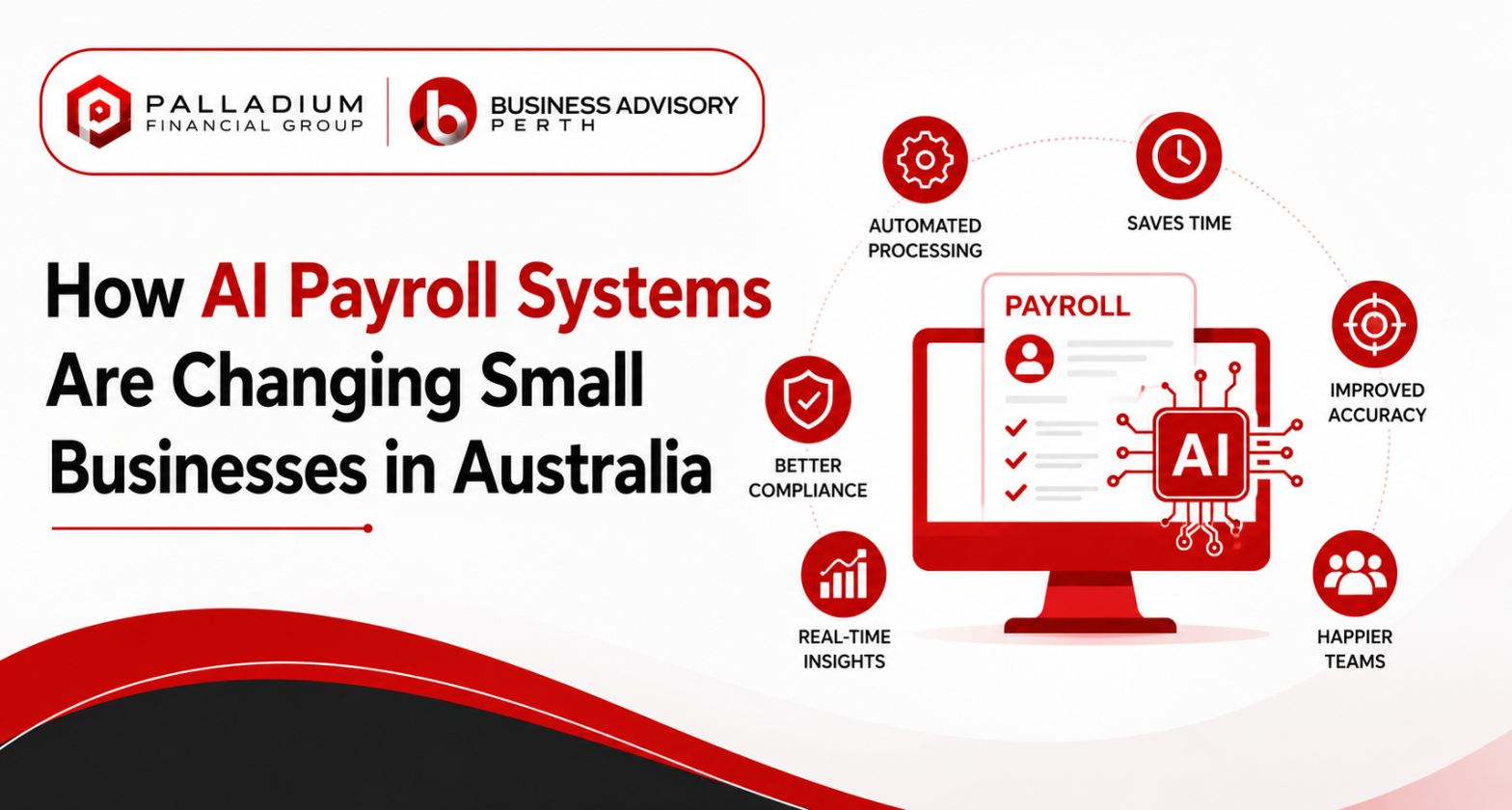
Managing payroll has never been simple for Australian small businesses. Between changing tax rules, superannuation obligations, Single Touch Payroll reporting, employee leave calculations, and award interpretations, payroll processing can quickly become stressful and time-consuming.
That’s one reason why many businesses are now turning toward ai payroll systems australia solutions to simplify payroll management and reduce compliance pressure. Artificial intelligence is no longer something only large corporations use. Today, even smaller businesses are adopting smarter payroll tools to automate repetitive tasks, improve accuracy, and save valuable time.
For many business owners, payroll mistakes can create more than just frustration. Errors in super payments, employee wages, or tax reporting may lead to compliance problems, unhappy staff, and financial penalties. AI-powered payroll technology is helping businesses reduce those risks while improving efficiency at the same time.
This guide explains how AI payroll systems are changing Australian businesses, what advantages they offer, and why more small business owners are moving away from traditional payroll methods.
Why Are Australian Businesses Switching to AI Payroll Systems?
Australian payroll regulations have become more detailed over the years. As businesses grow, managing payroll manually often becomes harder to maintain accurately.
AI-powered payroll solutions are becoming popular because they help automate repetitive processes while reducing human error.
Rising Payroll Compliance Requirements
Australian employers must deal with:
- tax withholding obligations
- superannuation payments
- employee leave tracking
- Fair Work compliance
- Single Touch Payroll reporting
Keeping up with these requirements manually can become overwhelming, especially for small businesses without dedicated payroll teams.
As regulations continue evolving, many businesses are investing in smarter payroll technology to reduce compliance pressure and avoid reporting mistakes.
Time-Consuming Manual Payroll Tasks
Manual payroll processing often involves:
- entering employee hours
- calculating overtime
- checking leave balances
- preparing payslips
- processing super contributions
Even small payroll errors may take hours to fix later.
Business owners already managing operations, staffing, and finances usually do not want payroll administration consuming unnecessary time every week.
That’s why automated payroll systems are becoming increasingly attractive for growing businesses.
Growing Demand for Payroll Automation
Automation is now a major trend across Australian businesses. Many owners want systems that reduce repetitive administrative work and improve operational efficiency.
AI payroll software helps businesses:
- automate calculations
- process payroll faster
- reduce manual handling
- improve reporting accuracy
As a result, businesses can focus more on growth rather than routine payroll
administration.
What Are AI Payroll Systems in Australia?
AI payroll systems use automation and machine learning technology to help businesses manage payroll tasks more efficiently.
These systems can automatically calculate wages, deductions, taxes, and employee entitlements while helping businesses stay compliant with payroll regulations.
How AI Payroll Software Works
AI payroll software collects payroll data from:
- employee timesheets
- attendance systems
- salary structures
- leave records
- tax settings
The software then processes calculations automatically based on current payroll rules and employee information.
Some advanced systems can also identify unusual payroll patterns or potential mistakes before payroll is finalised.
AI Payroll vs Traditional Payroll Processing
Traditional payroll processing often relies heavily on manual data entry and spreadsheets.
AI payroll systems, however, automate much of the process.
Traditional payroll may involve:
- repetitive calculations
- manual checking
- higher error risks
- slower processing times
AI-powered systems aim to reduce these inefficiencies through automation and real-time processing.
Common Features of AI Payroll Systems
Modern payroll software commonly includes:
- automated payslip generation
- STP reporting
- leave management
- superannuation tracking
- award interpretation support
- cloud-based access
- payroll reporting dashboards
Many platforms can also integrate with accounting software and HR tools.
How AI Payroll Systems Australia Businesses Use Reduce Payroll Errors
One of the biggest reasons businesses adopt AI payroll software is accuracy.
Payroll mistakes can become expensive very quickly.
Automatic Tax and Superannuation Calculations
AI payroll systems automatically calculate:
- PAYG withholding
- superannuation contributions
- overtime
- allowances
- deductions
Because calculations update automatically, businesses reduce the risk of manual errors.
This can be especially useful when tax rates or superannuation rules change.
Reducing Manual Data Entry Mistakes
Manual payroll processing often creates problems through simple typing errors.
Incorrect:
- employee hours
- salary figures
- leave balances
- tax settings
can lead to underpayments or overpayments.
AI systems minimise these risks by automating repetitive data handling.
Businesses using integrated payroll and bookkeeping systems often notice
improved payroll accuracy and fewer administrative corrections.
Preventing Payroll Processing Delays
Payroll delays can frustrate employees and create operational stress.
AI automation helps businesses process payroll faster by:
- streamlining approvals
- automating calculations
- reducing repetitive tasks
This helps payroll run more consistently and efficiently.
Can AI Payroll Software Help Businesses Stay ATO Compliant?
Compliance is one of the biggest concerns for Australian employers.
AI payroll systems help businesses improve payroll reporting accuracy and reduce compliance risks.
AI and Single Touch Payroll (STP) Reporting
Single Touch Payroll reporting requires employers to submit payroll information directly to the ATO each pay cycle.
AI payroll systems simplify STP reporting by:
- automating submissions
- reducing manual reporting
- improving data consistency
This reduces the likelihood of reporting errors.
Payroll Recordkeeping Automation
Businesses must maintain accurate payroll records for compliance purposes.
AI systems automatically store:
- payslips
- employee payment records
- leave history
- tax reporting information
This improves payroll documentation and accessibility.
Some businesses also combine payroll automation with professional bas agent services Perth support to improve financial reporting accuracy.
Avoiding Payroll Compliance Penalties
Incorrect payroll processing may lead to:
- employee disputes
- underpayment claims
- ATO scrutiny
- financial penalties
AI systems help businesses reduce these risks through automated checks and standardised payroll procedures.
Biggest Payroll Challenges Small Businesses Face Today
Payroll remains one of the most stressful administrative areas for many businesses.
Employee Leave Calculation Errors
Annual leave, sick leave, and public holiday entitlements can become difficult to track manually.
Small miscalculations may create employee disputes later.
AI payroll systems automatically update leave balances, helping reduce these issues.
Late Super Payments
Late super payments are one of the most common payroll problems businesses face.
AI payroll systems help businesses monitor contribution deadlines more effectively.
Managing Casual and Remote Employees
Modern workforces are becoming more flexible.
Businesses now manage:
- remote workers
- contractors
- casual staff
- hybrid teams
This increases payroll complexity significantly.
Payroll Reporting Mistakes
Incorrect reporting remains a common issue for small businesses using manual systems.
Some businesses seek external guidance from experienced small business accountants perth professionals when payroll compliance becomes difficult to manage internally.
AI Payroll vs Manual Payroll: Which Is Better for Small Businesses?
The right payroll approach depends on business size, staffing, and operational complexity.
However, automation offers several advantages for growing businesses.
Accuracy and Speed Comparison
Manual payroll often takes longer and increases the risk of errors.
AI payroll systems process payroll faster while improving calculation consistency.
Cost and Time Savings
Although payroll software involves setup costs, businesses may save money long term by:
- reducing payroll mistakes
- saving staff time
- lowering administrative workload
Many businesses reinvest these savings into growth activities.
Scalability for Growing Businesses
As businesses expand, payroll complexity usually increases.
AI payroll systems scale more efficiently than manual payroll processes.
Businesses focused on long-term growth often integrate automated payroll into wider payroll for business growth strategies.
Is AI Payroll Safe for Employee Data?
Data security is a major concern for businesses moving toward cloud-based payroll systems.
Cloud Payroll Security Features
Modern payroll platforms typically include:
- encrypted data storage
- secure cloud backups
- multi-factor authentication
- access controls
These features help improve payroll data protection.
Data Encryption and Access Control
Employee payroll data contains sensitive financial information.
AI payroll software uses encryption technology to help protect employee records from unauthorised access.
Common Payroll Cybersecurity Risks
Despite security improvements, businesses should still remain cautious about:
- phishing attacks
- password sharing
- unsecured devices
- weak user permissions
Choosing trusted payroll software providers remains important.
How AI Payroll Systems Help Businesses Save Time and Costs
Automation can significantly improve payroll efficiency for small businesses.
Faster Payroll Processing
AI systems reduce repetitive payroll tasks, helping businesses process employee payments more quickly.
Reducing Administrative Work
Payroll administration often consumes valuable management time.
Automated systems reduce manual workload and improve operational efficiency.
Businesses already using professional cash flow management services often benefit from combining financial oversight with payroll automation.
Improving Business Efficiency
Efficient payroll systems allow businesses to:
- reduce payroll bottlenecks
- improve staff productivity
- simplify reporting
- focus more on operations
Signs Your Business May Need an AI Payroll System
Some businesses continue using manual payroll longer than they should.
A few warning signs often indicate it may be time to upgrade.
- Frequent Payroll Mistakes :- Repeated payroll errors can damage employee trust and create compliance risks.
- Payroll Taking Too Much Time :- If payroll processing consumes excessive administrative time every week, automation may help improve efficiency.
- Increasing Employee Numbers :- Growing businesses usually face more complex payroll obligations.
- Growing Compliance Pressure :- Businesses dealing with changing payroll regulations may struggle to manage compliance manually.
Companies affected by complex topics like Payroll Tax Grouping and Their Effect often benefit from more advanced payroll systems and advisory support.
What Should Businesses Consider Before Switching to AI Payroll Software
Choosing payroll software requires careful planning.
- Integration With Accounting Software :- Businesses should choose payroll systems that integrate easily with accounting platforms and reporting tools. Some businesses working with business advisory perth consultants review payroll software compatibility before implementing automation.
- Payroll Support and Training :- Even automated systems still require staff training and ongoing support. Businesses should ensure employees understand how the system works properly.
- Choosing the Right Payroll Solution :- The best payroll software depends on
- business size
- workforce structure
- reporting needs
- compliance requirements
Businesses should avoid choosing software based only on price.
Final Thoughts
Payroll management is becoming more complicated for Australian businesses every year. Between compliance obligations, employee expectations, reporting requirements, and changing regulations, relying entirely on manual payroll processes can create unnecessary stress and risk.
That’s why more businesses are adopting ai payroll systems australia solutions to simplify payroll operations and improve efficiency.
AI-powered payroll software helps businesses reduce administrative workload, improve reporting accuracy, automate repetitive tasks, and support compliance obligations more effectively. While automation does not completely replace human oversight, it can significantly improve payroll management for growing businesses.
For many small business owners, upgrading payroll systems is no longer just about convenience. It’s becoming an important step toward reducing compliance pressure, improving operational efficiency, and supporting long-term business growth.
Frequently Asked Questions
Q. 1 What is AI payroll software?
AI payroll software uses automation and machine learning technology to process payroll tasks more efficiently while reducing manual errors.
Q. 2 Can AI automate payroll completely?
AI can automate many payroll functions, although businesses still need human oversight for approvals, compliance reviews, and employee management.
Q. 3 Is AI payroll suitable for small businesses?
Yes. Many small businesses use AI payroll software to save time, improve accuracy, and simplify payroll management.
Q. 4 Does AI payroll reduce payroll mistakes?
Automation helps reduce calculation errors, data entry mistakes, and reporting inconsistencies.
Q. 5 Can AI payroll integrate with Xero?
Many payroll platforms integrate directly with Xero and other accounting software systems.
Q. 6 Is AI payroll compliant with Australian tax laws?
Most modern payroll systems are designed to support Australian payroll compliance requirements, including STP reporting.