Payroll is one of those business tasks that can look simple from the outside. Pay employees, calculate tax, send payslips and move on. In practice, Australian payroll can involve award rates, leave entitlements, superannuation, PAYG withholding, Single Touch Payroll (STP), employee changes and regular compliance checks.
That is why many small businesses eventually consider outsourcing.
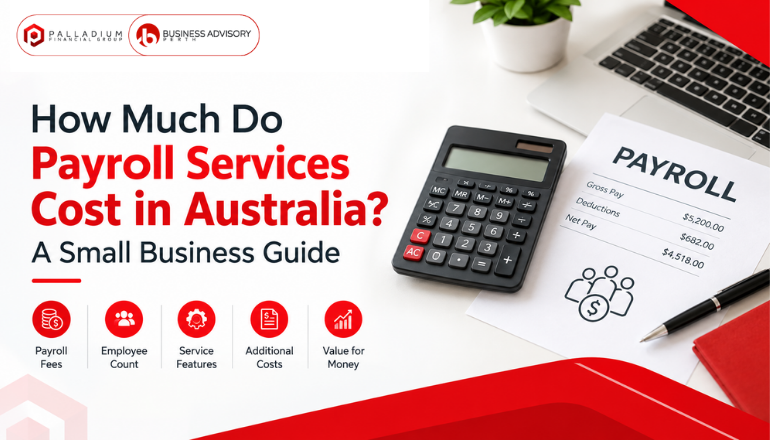
The payroll services cost Australia businesses pay depends on several factors, including the number of employees, how often staff are paid, the payroll software being used and how much responsibility is handed to the provider.
What Do Payroll Services Usually Cost in Australia?
There is no single standard price for payroll services. Providers commonly use a per-employee, per-pay-run model, a fixed monthly package or a combination of a base fee and employee charges.
As an indicative 2026 guide, basic payroll processing may fall around $5–$20 per employee per pay run, while managed payroll arrangements can cost considerably more depending on the services included. Some providers instead quote monthly packages, with small-business packages commonly starting in the low hundreds of dollars per month.
For example, a business with 10 employees paid fortnightly may have a very different quote from a business with the same number of employees who are paid weekly and work under several modern awards.
The important point is to compare what is included, rather than choosing a provider simply because the headline price is lower.
What Is Included in a Payroll Service?
A basic payroll package may cover wage calculations, payslips and STP reporting. A more comprehensive service can take care of much more of the process.
Depending on the provider, payroll support may include:
- Employee onboarding and payroll setup
- Regular pay-run processing
- PAYG withholding calculations
- STP reporting
- Superannuation processing
- Leave and entitlement calculations
- Payroll records and reporting
- Termination and final-pay calculations
- Payroll compliance support
- Payroll software administration
Some providers also assist with timesheets, award interpretation, payroll tax reporting and integration with accounting or workforce-management platforms.
Before accepting a quote, ask exactly which tasks are included and which ones attract an additional fee.
What Factors Affect Payroll Services Cost Australia Businesses Pay?
Several factors can change the final price.
Number of Employees
Employee numbers are an obvious starting point. Processing payroll for five employees generally requires less work than processing payroll for 50.
However, headcount is not the only consideration. A small workforce with complicated pay conditions can require more attention than a larger team with straightforward salaries.
Pay Frequency
Weekly payroll generally requires more processing than fortnightly or monthly payroll.
If employees are paid every week, there are more pay runs, more opportunities for changes and more regular administrative work. This can increase the overall payroll bill.
Award and Payroll Complexity
Australian businesses operating under modern awards may have to deal with ordinary hours, overtime, penalty rates, allowances and other employment conditions.
A business with several employee classifications may therefore have a more complicated payroll process than a business where everyone receives a straightforward salary.
Payroll Software
The software used by a business can also affect the cost.
Some businesses purchase payroll software and manage the process themselves. Others pay a provider to operate the system on their behalf.
A payroll management system can automate calculations, reporting and employee records, but automation does not remove the need for correct setup and regular checking.
Additional Services
Some payroll quotes cover only routine processing. Others include a broader range of services.
Possible additional charges may relate to:
- Payroll setup or migration
- Additional pay runs
- Employee onboarding
- Termination payments
- STP finalisation
- Payroll tax reporting
- Timesheet administration
- Award interpretation
- Historical payroll corrections
Always request a written breakdown before comparing two providers.
Payroll Software vs Outsourcing: Which Is Cheaper?
This is a common question among small business owners.
With payroll software, the business usually remains responsible for entering employee information, checking calculations, running payroll and dealing with compliance issues. The software provides the tools, but someone inside the business still has to manage the process.
Outsourcing transfers some or all of that responsibility to an external payroll specialist.
The cheaper option depends on the amount of internal time involved. A software subscription may appear inexpensive, but the real cost can include staff hours, training, troubleshooting and correcting payroll errors.
For a business owner who spends several hours every pay cycle dealing with payroll, outsourcing may provide better value even if the monthly invoice is higher.
In-House Payroll vs Outsourced Payroll
Running payroll internally can make sense when a business has experienced staff, straightforward payroll requirements and enough internal capacity to manage the process.
On the other hand, internal payroll services Perth businesses use may become difficult to maintain as the company grows. New employees, different awards, changing work patterns and more frequent payroll adjustments can increase the workload.
Outsourcing can provide access to payroll expertise without requiring the business to employ a dedicated payroll specialist.
The decision should therefore be based on total cost and risk, not just the software or provider fee.
How Much Should a Small Business Budget for Payroll?
There is no universal figure, but current Australian pricing guides show that small businesses may encounter monthly costs ranging from roughly $100–$600 or more, depending on employee numbers, service scope and pricing structure. More comprehensive managed payroll services can be considerably higher.
A useful budgeting exercise is to consider:
Monthly payroll cost = provider/software fees + internal administration time + additional service charges
This gives you a more realistic comparison.
For example, if a business pays a small software fee but spends several hours every week preparing payroll, checking records and fixing mistakes, the advertised software price does not represent the full cost.
Is Outsourcing Payroll Worth It for a Small Business?
Outsourcing can be worthwhile when payroll is becoming time-consuming or difficult to manage.
It may be particularly useful when a business:
- Has several employees or contractors
- Uses multiple pay rates
- Deals with modern awards
- Has frequent employee changes
- Is expanding into new locations
- Wants to reduce administrative work
- Is concerned about payroll compliance
- Does not have dedicated payroll expertise
The goal is not simply to hand over a task. Good payroll outsourcing should make the process easier to manage while giving the business confidence that payroll records and reporting are being handled properly.
Businesses looking for professional payroll services should ask whether the provider handles STP, superannuation, leave calculations, employee changes and compliance checks as part of the quoted price.
Payroll and Bookkeeping: Do You Need Both?
Payroll and bookkeeping are related, but they are not the same function.
Payroll focuses primarily on employee wages, deductions, leave, superannuation and payroll reporting. Bookkeeping covers the broader recording and organisation of financial transactions.
For a small business, having these functions work together can make financial administration easier.
For example, payroll information needs to be recorded correctly in the accounting system so that wages and related liabilities are reflected in the business’s financial records.
If your business needs wider financial support, bookkeeping services Perth businesses use can complement outsourced payroll rather than replacing it.
Don’t Forget Payroll Tax
Payroll tax is another cost that some growing businesses need to consider.
Payroll tax is a state or territory tax and eligibility thresholds and rules can differ between jurisdictions. Businesses operating across multiple states may therefore need to pay particular attention to their obligations.
If your business has related entities, the way those entities are grouped can also affect payroll tax calculations.
A useful resource for understanding this issue is payroll tax grouping, particularly for businesses with multiple entities or connected operations.
Payroll tax should be treated separately from the actual cost of paying employees or hiring a payroll provider.
Can Payroll Outsourcing Help Business Growth?
For a small business owner, payroll rarely generates revenue. It is an essential administrative function that needs to be done accurately and on time.
Outsourcing can free internal staff to spend more time on customers, sales, operations and strategic decisions.
This is where payroll business growth becomes relevant. The value is not necessarily that outsourcing makes payroll cheaper. Instead, it can reduce administrative pressure and allow the business to use its people and time more effectively.
As a business expands, having a reliable payroll process can also make it easier to add employees without creating a completely new administrative burden.
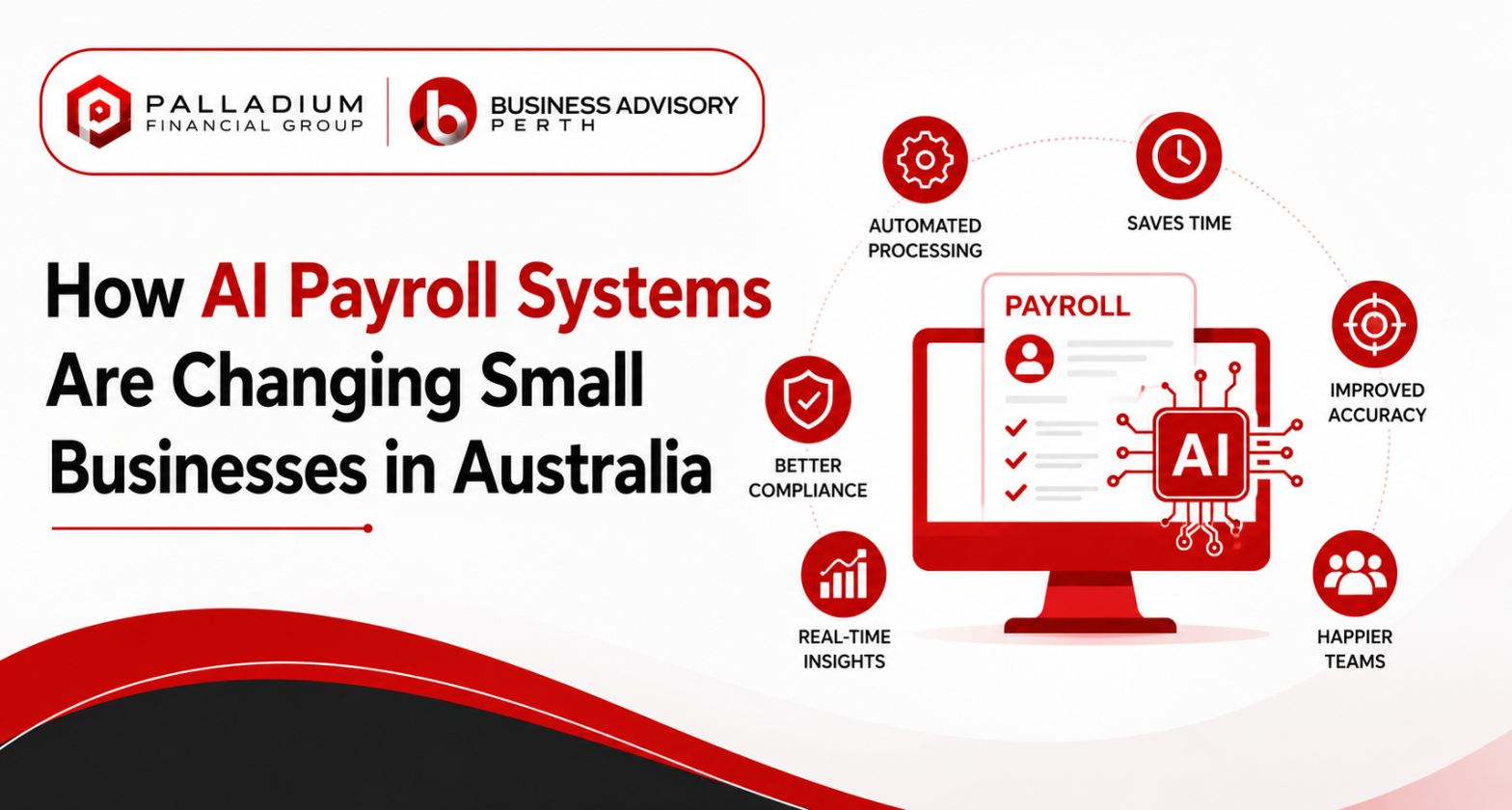
What About AI-Powered Payroll Systems?
Automation is changing how businesses handle payroll.
AI-powered payroll systems and other automated platforms can help with repetitive administrative tasks, reporting and identifying unusual payroll information. However, businesses should not assume that automation removes the need for human oversight.
Payroll involves sensitive employee information and legal obligations. Software still needs accurate data, correct configurations and appropriate review processes.
The best approach is usually to use automation to reduce repetitive work while retaining human checks for important payroll decisions.
How to Compare Payroll Service Quotes
When comparing providers, don’t look at the monthly price alone.
Ask each provider:
- Is the quote based on employees, payslips, pay runs or a fixed monthly fee?
- Are STP lodgements included?
- Is superannuation processing included?
- Are employee onboarding and termination payments included?
- Are payroll software costs included?
- Are additional pay runs charged separately?
- Is payroll tax support included?
- Are there setup or migration fees?
- What happens if a payroll error needs correcting?
- Can the service scale as the business grows?
These questions can reveal significant differences between apparently similar quotes.
Final Thoughts
The payroll services cost Australia businesses face is influenced by much more than employee numbers. Pay frequency, award complexity, software, compliance requirements and the level of support all contribute to the final price.
Some small companies can successfully manage their payroll using software. For others, outsourcing may be a better option as payroll management becomes more complex.
The best approach is the one that helps your company find the right balance between cost, accuracy, time, and compliance. For businesses looking for broader financial guidance, Business advisory Perth services can also help with payroll planning and other key business decisions.
If you need a good quote that reflects your specific payroll needs and number of employees, this is a good starting point for you.